PADI Ownership Change 2025: What It Means for Scuba Divers, Trips, and Certifications
In 2025, PADI underwent a major ownership change. Find out who owns PADI now, why conservationists bought it, and how it impacts your scuba certifications and trips.
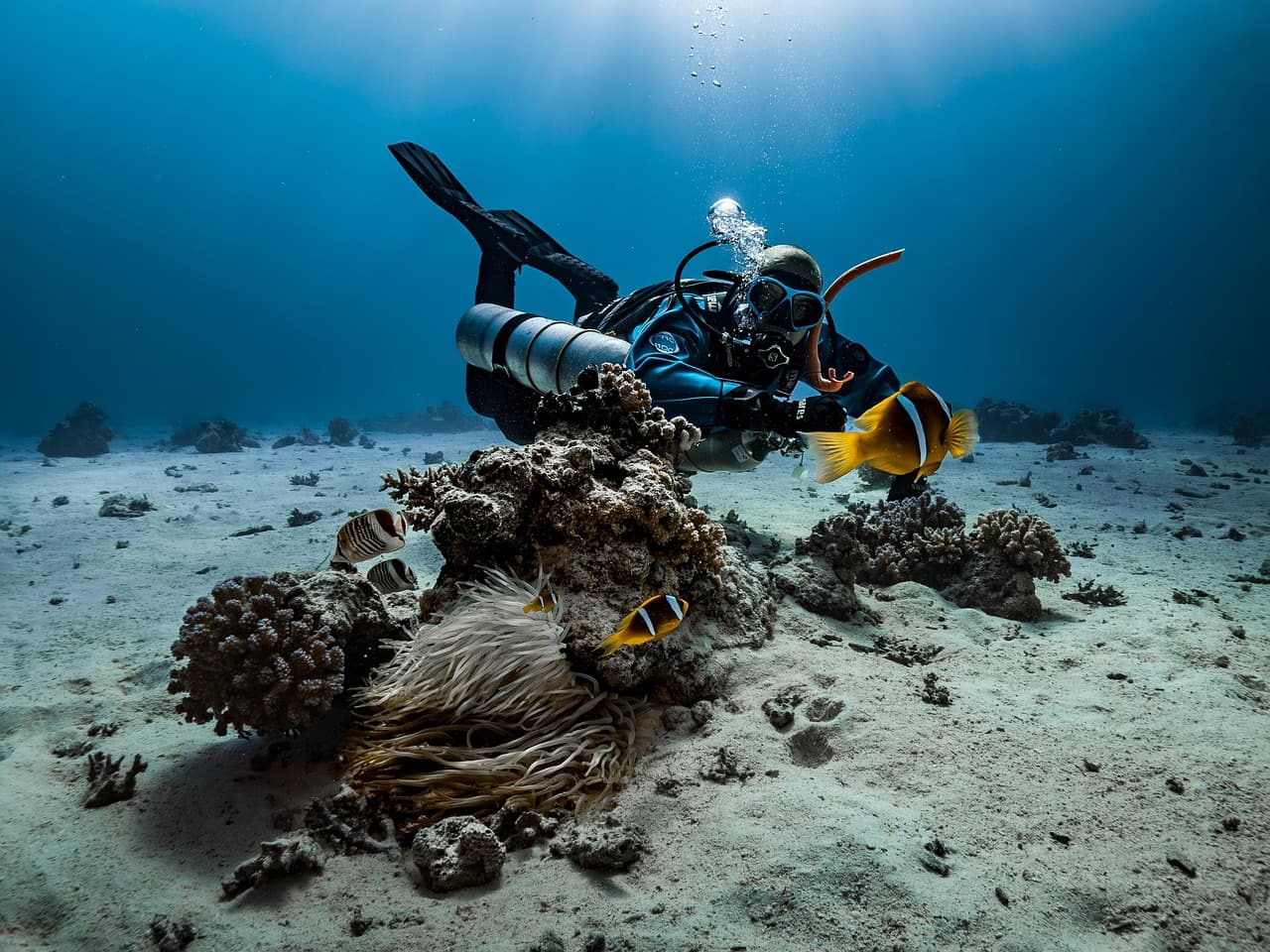 Image by Franziska Stier
Who Owns PADI? The 2025 Ownership Change
If you have been closely following the scuba diving industry, or even just checking your email updates from your local dive shop, you might have heard some major news: there was a significant PADI ownership change.
For the world's largest diver training organization, a change at the top is always a big deal. However, this particular acquisition marks a noticeable departure from how the Professional Association of Diving Instructors (PADI) has been managed in the past.
In early 2025, the investment firms Altas Partners (based in Canada) and Florac (a French private equity firm) sold their controlling stakes in PADI. They had originally purchased the organization for approximately $700 million back in 2017.
So, who owns PADI now?
The new majority owner is a consortium of North American "conservation-minded family investors" and philanthropists. Their specific identities have been largely kept out of the mainstream press, but their mission is clear: they are focused on cause-oriented premium brands and long-term environmental sustainability.
Meanwhile, the investment group Advance continues to maintain a minority stake, and Dr. Drew Richardson remains PADI's President and CEO, bringing strong leadership continuity as he approaches his 40th year with the company in 2026.
But what does this 2025 PADI ownership change actually mean for you as an everyday recreational diver? Will it affect your local dive center, the price of your next certification, or how you book scuba diving trips? In this article, we'll dive deep into the strategic shift behind the acquisition and explore the potential pros and cons for the global diving community.
The Strategic Shift: Moving Away from Traditional Private Equity
To understand the magnitude of the PADI ownership change, it helps to look at the history of the organization's corporate structure. For over a decade, PADI was owned by traditional private equity firms, including Providence Equity Partners and Lincolnshire Management before Altas and Florac.
Typically, traditional private equity firms operate on a standard five-to-seven-year exit timeline. Their primary goal is to acquire a company, aggressively grow its revenue, streamline operations, and then sell it for a profit within that relatively short window.
The new consortium of family-wealth investors represents a different business model. Because they are managing generational wealth with a philanthropic focus, they operate on a much longer-term horizon. They aren't looking for a quick five-year flip. Instead, they were drawn to PADI's ocean stewardship mission and its stated goal of creating "a billion Torchbearers" to protect marine environments.
For the recreational diver, this is a promising shift. It implies that corporate decisions going forward may prioritize long-term brand health, environmental sustainability, and industry stability over short-term revenue spikes.
Market Consolidation: What It Means for Dive Centers and Instructors
One of the most immediate changes expected under the new ownership is a move toward market consolidation. According to industry analysts, PADI is actively shifting its operational strategy to professionalize its network and reduce market saturation in overcrowded diving destinations.
What does this look like in practice? The organization is increasingly prioritizing its support, marketing, and business resources for high-volume, premier dive centers—the established physical storefronts that run scuba diving trips and destinations year-round. Conversely, there may be less focus on supporting independent, part-time "hobbyist" instructors who teach out of their garages or local public pools on a sporadic basis.
The Pros for Divers
For you, the diver, this consolidation could mean a more consistent, high-quality educational experience. By focusing on premier dive centers with dedicated classrooms, well-maintained rental equipment, and full-time professional staff, PADI aims to ensure that every student receives a top-tier education. If you are researching where to get a PADI certification, you can expect the affiliated shops you find to be well-equipped and professionally run.
The Potential Risks
On the flip side, this strategy carries some risks. Many divers discover their love for the ocean through an independent instructor who offers flexible, one-on-one training at a highly competitive price. If these smaller operators find it too expensive or difficult to maintain their PADI affiliation, it could lead to reduced competition in certain local markets. In the long run, having fewer, larger dive centers could limit the training options available in landlocked or rural areas where a physical storefront isn't financially viable.
Will the PADI Ownership Change Cause Prices to Go Up?
Because the new ownership group is focused on "cause-oriented premium brands," diving costs are naturally going to be a topic of discussion among the community.
A recent 2025 dive industry study conducted by the Boston Consulting Group (BCG) validated the immense commercial strength of the PADI brand. The study showed that PADI-exclusive dive centers earned an average of $186,000 annually, significantly outperforming unaffiliated or competitor shops. Armed with this data, the new owners intend to leverage their market position to maintain a 15% to 20% premium on global certification volumes compared to competitor agencies.
If you are wondering how much scuba diving costs, you should anticipate that PADI certifications—such as the Open Water Diver or the Advanced Open Water Diver—will continue to carry a premium price tag. The business logic is that you are paying for the world's most widely recognized diving credential and the robust infrastructure supporting it.
While we don't expect a sudden, massive spike in certification fees overnight, the strategy clearly points away from discount pricing. For divers on a strict budget, this might make alternative certification agencies more appealing. However, for those who value absolute global recognition and the peace of mind that comes with the industry leader, the premium pricing is often viewed as a worthwhile investment in scuba diving safety.
The Digital Push: eCards and Unified Apps
As part of its modernization efforts leading up to its 60th Anniversary in 2026, PADI is heavily pushing digital innovation. The days of waiting weeks for a plastic certification card to arrive in the mail are rapidly coming to an end.
Throughout late 2025 and 2026, the organization is merging its various digital platforms. Previously, divers and professionals might have had to juggle the PADI Training app, PADI Adventures, and the main ecosystem. Now, these are being unified into a single, seamless interface designed to serve the organization's 128,000+ professional members and millions of recreational divers.
For the everyday diver, the most noticeable change will be the aggressive push toward digital "eCards" over physical plastic certification cards.
Benefits of the Digital Transition
- Environmental Impact: By reducing the production and global shipping of millions of plastic cards, PADI significantly cuts down on its carbon footprint and plastic waste. This aligns perfectly with the philanthropic goals of the new ownership.
- Convenience: Your certification is always in your pocket. Whether you are diving in Hurghada or exploring the Caribbean, you will never have to worry about forgetting your dive wallet at home.
- Instant Verification: When you complete a course, your digital profile updates immediately, allowing you to hop on a boat dive the very next day with proof of your new credentials.
Potential Drawbacks
Some divers, particularly veterans of the sport, are nostalgic for the physical cards and enjoy collecting them as tangible memories of their milestones. Additionally, relying entirely on a smartphone app can sometimes be tricky in remote, off-the-grid dive destinations where internet access is spotty and phones are best left back at the hotel to avoid water damage. Make sure to download your eCards for offline viewing before heading out on a trip.
Conservation as a Core Growth Driver: The PADI AWARE Foundation
Perhaps the most exciting outcome of the PADI ownership change is the enhanced focus on marine conservation. The new owners specifically cited their attraction to PADI's "Seek Adventure. Save the Ocean." branding.
Rather than treating conservation as a secondary PR initiative, the new leadership is treating it as a core growth driver. They are channeling heavy funding into the PADI AWARE Foundation to empower divers to take direct action.
A cornerstone of this strategy is the launch of the "Global Shark and Ray Census" in 2026. This massive citizen-science initiative is designed to harness the power of millions of recreational divers to track and monitor vulnerable marine species across the globe.
How Does Citizen Science Affect Your Dive Trips?
For the average diver, initiatives like the Global Shark and Ray Census transform a standard scuba diving trip into a purpose-driven mission. Dive centers will be extensively promoting conservation-focused dives where you do more than just observe—you actively record data, take identifying photographs, and log your findings on a unified digital platform.
This not only helps scientists protect endangered marine life but also drives diver engagement. Divers are more likely to book more trips and pursue continued education (like conservation specialty certifications) when they feel directly connected to a meaningful global cause. If you have always wanted your hobby to have a positive impact on the world, the new direction of the PADI AWARE Foundation is incredibly promising.
Conclusion: Is the Ownership Change Good for Recreational Divers?
Whenever a massive global entity like PADI changes hands, it is natural for the community to feel a mix of curiosity and skepticism. Will the new "conservation-minded family investors" stay true to their word, or will business realities dictate a different path?
Based on the early moves in 2025 and the strategic plans laid out for 2026, the PADI ownership change appears to be a net positive for the oceans and for divers who prioritize high-quality, professional instruction. The shift away from short-term private equity toward long-term philanthropic wealth alignment means we can expect robust funding for marine conservation and digital innovation.
While there is a risk that market consolidation could squeeze out independent "mom-and-pop" instructors, and the brand's premium pricing model means PADI certifications will rarely be the cheapest option available, these are trade-offs made in favor of standardizing quality and maximizing environmental impact. Ultimately, as the push toward unified digital apps, global citizen-science initiatives, and a professionalized global network takes full effect, everyday recreational divers will benefit from a more streamlined, purpose-driven underwater experience.
If you are planning to learn to dive or are gearing up for your next big liveaboard trip, you can feel confident that your certification is being backed by an organization that is doubling down on its commitment to protect the underwater world we all love to explore.
Related articles
- What is Open Water Diver? Complete Guide to Your First Scuba Certification
Learn what Open Water Diver certification is, the course requirements, depth limits, and everything you need to know about becoming a certified scuba diver with PADI.
- Where to Get PADI Open Water Certification: Best Countries by Cost and Quality
Choosing where to get PADI Open Water certification affects cost, water conditions, and learning experience. Compare top countries for scuba certification worldwide.
- How to Earn Money Diving: Every Career Path Explained
From teaching tourists to welding pipelines on oil rigs, discover every realistic way to turn scuba diving into a career, and what each one actually pays.
- PADI Open Water Exam & Final Assessment: How to Pass Your Test
Preparing for the PADI Open Water Exam or eLearning Final Assessment? Learn the question count, 75% passing score, topics covered, and free practice tests.